
Eco Mechatronics High-Temperature Oil Baths: Engineered for Performance
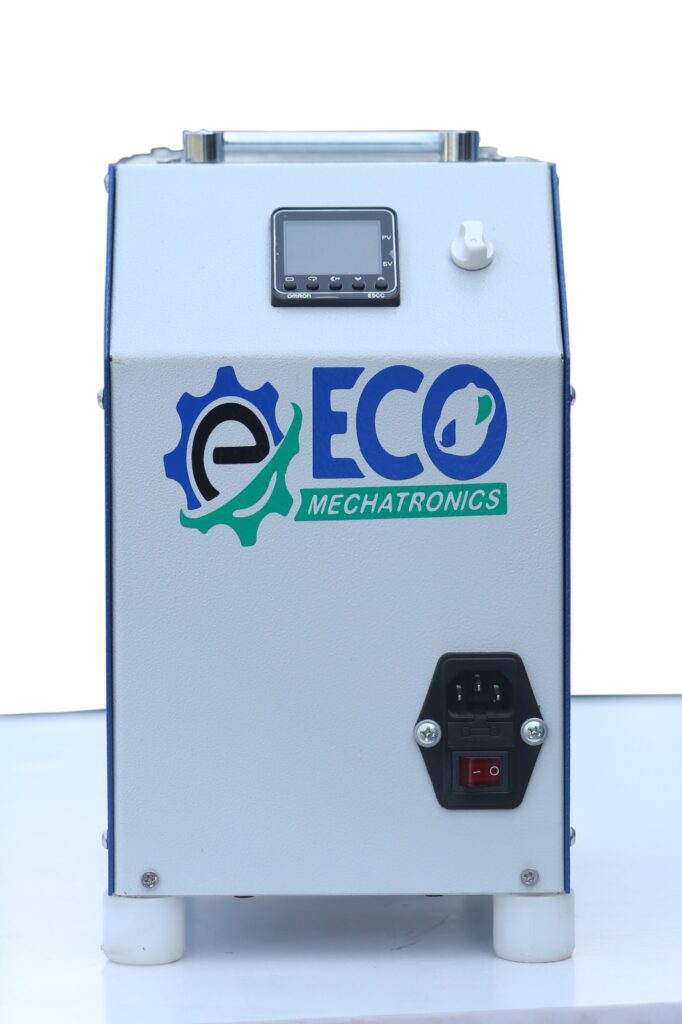
An in-depth manual on High-Temperature Oil Baths In many industrial and scientific applications where exact temperature control is necessary, high-temperature oil bath are a vital tool. Because of their excellent thermal stability, these oil baths guarantee the safe and effective execution of procedures, tests, and experiments. These systems’ capacity to manage temperatures within a predetermined range is essential, and when combined with a temperature controller, they enable remarkably precise heating operations. High-Temperature Oil Bath: What Is It? An instrument used to sustain a constant, consistent temperature over time is a high-temperature oil bath. The heating medium in these baths is usually a container filled with high-temperature oil, which is frequently composed of premium stainless steel. Because of its capacity to retain heat for lengthy periods of time without experiencing appreciable heat loss, the oil is utilized. A temperature controller controls the temperature, guaranteeing that the oil stays within the specified temperature range at the preferred level. Benefits of Using a High-Temperature Oil Bath Precise Temperature Control: High-temperature oil baths provide excellent thermal stability. The use of a temperature controller ensures that the temperature is maintained consistently throughout the operation. With a wide temperature range (RT to 300°C), these baths can be used in applications requiring precise heating. Durability and Longevity: The construction of high-temperature oil baths using stainless steel adds durability and resistance to corrosion. Stainless steel is an ideal material as it can withstand high temperatures and resist chemical reactions that might occur during experiments or industrial processes. This durability ensures a longer lifespan for the bath. Versatility: These oil baths are used in many industries, from research and development labs to manufacturing facilities. Applications include material testing, aging processes, melting point determination, and other processes that require stable, controlled heating. Safety: The high-temperature oil bath is designed with built-in safety features such as temperature limiters to prevent overheating and damage to the system. This is especially important when working with volatile materials that could be hazardous at high temperatures. How High-Temperature Oil Baths Work High-temperature oil baths are typically composed of a stainless steel container, filled with high-temperature oil that has a stable and reliable heat capacity. A temperature controller is integrated into the system, enabling the user to set a specific temperature within a defined temperature range. The system uses a heating element to heat the oil, which in turn heats the sample or material being processed. One of the primary reasons why high-temperature oil baths are favored over other heating methods is the efficiency of heat transfer. Oil has a higher thermal capacity than air, making it ideal for maintaining consistent temperatures without fluctuations. Once the desired temperature is achieved, the temperature controller ensures that the oil remains at this temperature within a narrow margin. Temperature Range and Control High-temperature oil baths typically offer a temperature range from room temperature (RT) to 300°C, providing flexibility for various applications. The temperature controller plays a critical role in maintaining a consistent heat level throughout the process. These systems often feature digital displays that show the current temperature, making it easy to monitor and adjust as necessary. The ability to control the temperature precisely is essential, particularly when working with heat-sensitive materials. This is why high-temperature oil baths come with reliable temperature controllers that ensure precise and repeatable results. The user can set the temperature according to the needs of their specific process, whether they need to reach higher temperatures for certain materials or maintain a constant temperature over an extended period. Temperature Limitations and Precautions Though high-temperature oil baths are robust, they are not without limitations. The temperature limit is typically set at around 300°C, which is the maximum safe operating temperature for most high-temperature oils. Exceeding this temperature can cause the oil to degrade, leading to safety hazards or damage to the equipment. It is crucial to understand the specific high-temperature oil’s properties being used in the bath, as different oils have varying limits. Some oils are formulated to withstand extreme temperatures, while others may break down or lose their thermal properties when exposed to high heat. This is why users must carefully choose the appropriate oil and always stay within the recommended temperature limit to avoid compromising the oil bath’s performance. Maintaining and Operating High-Temperature Oil Baths Regular maintenance and proper operation are key to ensuring the longevity and effectiveness of a high-temperature oil bath. Here are a few important tips to follow: Monitor Temperature Regularly: Continuously check the temperature using the digital temperature controller to ensure the bath is functioning correctly. Sudden fluctuations could indicate a problem with the heating element or the temperature controller. Clean the Oil: Over time, the oil in the bath may collect debris or impurities, which could affect its heat transfer properties. Regularly cleaning and replacing the oil ensures optimal performance and prevents contamination. Inspect the Heating Element: Periodically check the heating element for signs of wear or malfunction. If the element is damaged, it may not be able to heat the oil to the desired temperature, or it may cause unsafe conditions. Temperature Calibration: Regularly calibrate the temperature controller to ensure it is providing accurate readings and maintaining the correct temperature range. Calibration is essential for experiments or processes where precision is critical. Safety Features: Ensure that the temperature limit settings on the controller are properly configured to avoid overheating. A built-in temperature limit is important for protecting both the equipment and the materials being processed. Applications of High-Temperature Oil Baths High-temperature oil baths are used in a variety of fields and applications, each requiring consistent and precise heating for different purposes: Chemical and Material Testing: High-temperature oil baths are commonly used in laboratories for determining the properties of materials under high-temperature conditions. This includes melting point testing, chemical reactions, and aging tests. Heat Treatment: In manufacturing, these oil baths are used for heat treatment of metals and other materials to improve their properties, such as hardness or durability. Research and Development: Scientific researchers rely on high-temperature oil


